
Applications / Aviation & Defence
Aviation &
Defence
Upper-air observations for airport weather services and defence meteorological teams. Choose a system for routine soundings, mobile deployments or dual-mode tracking when GNSS reliability is uncertain.
From launch to weather assessment
A vertical view of
operating conditions.
A sounding follows changing conditions through the atmosphere, adding temperature, moisture and wind information to surface observations.
Prepare
Select the radiosonde and receiving system for the frequency band, installation and tracking requirements.
Measure
Launch the radiosonde beneath a meteorological balloon to collect the atmospheric profile during ascent.
Receive
Receive the telemetry at the ground station, using the tracking capabilities of the selected system.
Assess
Use the vertical observations to support meteorological analysis, aviation weather briefings and operational planning.
Airport weather services
Routine soundings.
Reliable ground reception.
The iMet-3400 station and iMet-54 403 MHz radiosonde form a compact system for airport users conducting regular upper-air observations.

Ground station
iMet-3400
Antenna / Receiver
A fixed-installation 403 MHz antenna and receiver designed for regular soundings, with improved overhead and long-range coverage, integrated GNSS and built-in heaters.
Explore the iMet-3400 →
Flight instrument
iMet-54
403 MHz Radiosonde
A lightweight radiosonde measuring temperature and humidity, with multi-constellation GNSS for wind and altitude observations. Select the 403 MHz configuration for use with the iMet-3400.
Explore the iMet-54 →Defence meteorological teams
Two system options.
Different deployment needs.
Choose a rugged 403 MHz receiving system with an encrypted radiosonde, or a 1680 MHz tracking system with GPS and RDF capability.
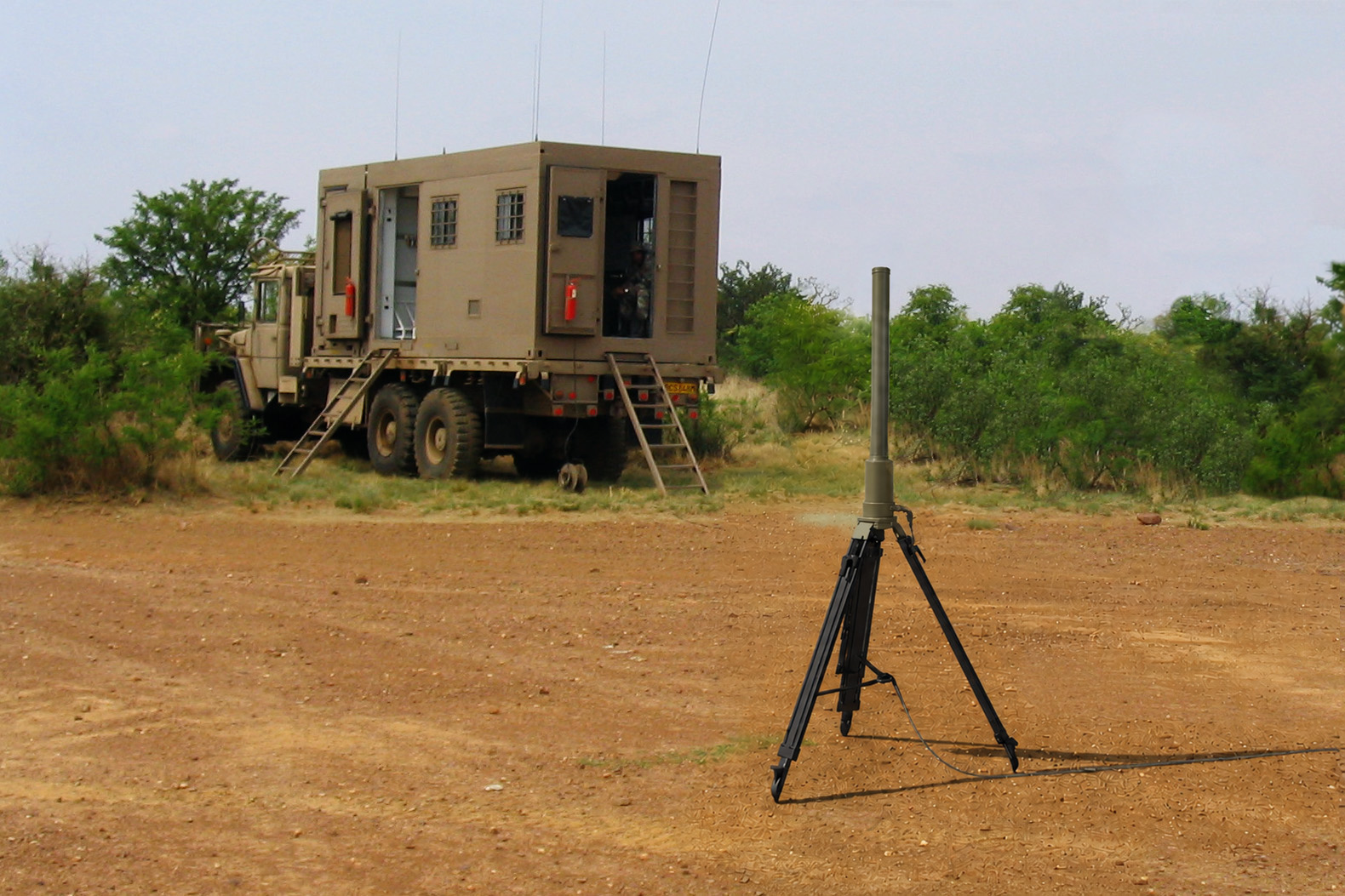
Option 01 / 403 MHz
iMet-3600M +
encrypted 403 MHz radiosonde
Pair the iMet-3600M with a compatible encrypted 403 MHz radiosonde. The rugged ground system supports tripod or vehicle mounting, all-weather operation and integrated GNSS station positioning.
Explore the iMet-3600M →
Option 02 / 1680 MHz
iMet-1600 +
iMet-54 1680 MHz radiosonde
Pair the iMet-1600 tracking station with a compatible iMet-54 1680 MHz radiosonde. GPS and radio direction finding (RDF) tracking can be switched during flight, providing a redundant tracking option if GNSS is spoofed.
Explore the iMet-1600 →Explore the iMet-54 →
Specify the encrypted 403 MHz or dual-tracking 1680 MHz configuration when discussing your system requirements with InterMet.
Tracking redundancy / iMet-1600 system
Keep a second
tracking method available.
The 1680 MHz system supports GPS tracking and RDF tracking, with the ability to change tracking mode during the sounding.
Satellite-based position
Use radiosonde GNSS position information to support tracking during the ascent.
An alternative tracking method
Use radio direction finding as the redundant tracking mode when GNSS position information is compromised by spoofing.
Temperature, humidity and wind profiles reveal atmospheric structure across the sounding, supporting a fuller weather assessment.
Why upper-air observations matter
Understand the layers
above the airfield.
Wind structure
Observe how wind changes with altitude to support aviation weather analysis and briefings.
Temperature and moisture
Identify vertical changes, including inversions and moist layers, that help meteorologists interpret atmospheric conditions.
Fixed and mobile operations
Match the receiving system to a permanent airport installation or a deployable defence meteorological team.
Tracking resilience
Choose the iMet-1600 dual-mode system when an alternative to GNSS-based tracking is part of the requirement.
Configure your sounding system
Start with your operational requirements.
Talk to InterMet about airport installations, encrypted radiosonde configurations and GPS/RDF tracking options.